Prospect Heights Locksmith Brooklyn Service Team
Local locksmith team
Sep 9, 2026 10 min read
If you've just closed on a co-op apartment off Vanderbilt Avenue or signed a lease near Grand Army Plaza, you've probably received a move-in packet with a long list of rules — and buried somewhere in that stack is a section about door locks. Most new residents skim it. That's a mistake, because Prospect Heights co-op boards and building managers take lock compliance seriously, and getting it wrong can mean a failed inspection, a lost security deposit, or a genuine safety gap that affects your neighbors too.
This guide breaks down what your board most likely requires in plain English: the specific hardware types, the rekeying rules, the difference between a mortise lock and a standard deadbolt, and when it makes sense to call a professional commercial door locksmith rather than try a DIY fix. Whether you're in a prewar brownstone on St. Marks Avenue or a converted rental on Underhill, the basics are largely the same — and knowing them ahead of time saves you real headaches.
## What Most Prospect Heights Boards Actually Put in Writing
Co-op proprietary leases and condo rules in Brooklyn's Prospect Heights neighborhood almost universally require a double-cylinder or single-cylinder deadbolt with a minimum one-inch throw on the primary entry door. Many buildings — especially the prewar six-story walkups between Flatbush Avenue and Washington Avenue — also require a second locking device, which is where jimmy proof door locks come in. A jimmy proof lock, sometimes called a rim deadbolt, interlocks with a strike plate in a way that resists prying and spreading the door frame, making it a practical complement to a standard deadbolt on older wood-frame doors that have settled over the decades.
Beyond that, most house rules state that any lock change must be reported to the managing agent within 24 to 48 hours, and a copy of the new key must be provided to building management for emergency access. Failing to hand over that key copy is one of the most common lease violations in Prospect Heights co-ops — tenants assume it's optional, but it's almost always written into the proprietary lease as a condition. If your building has a doorman or a live-in super, ask directly: the written rule and the practical expectation sometimes differ, and getting both on record protects you.
## Mortise Lock Requirements: Why Older Brooklyn Buildings Specify Them
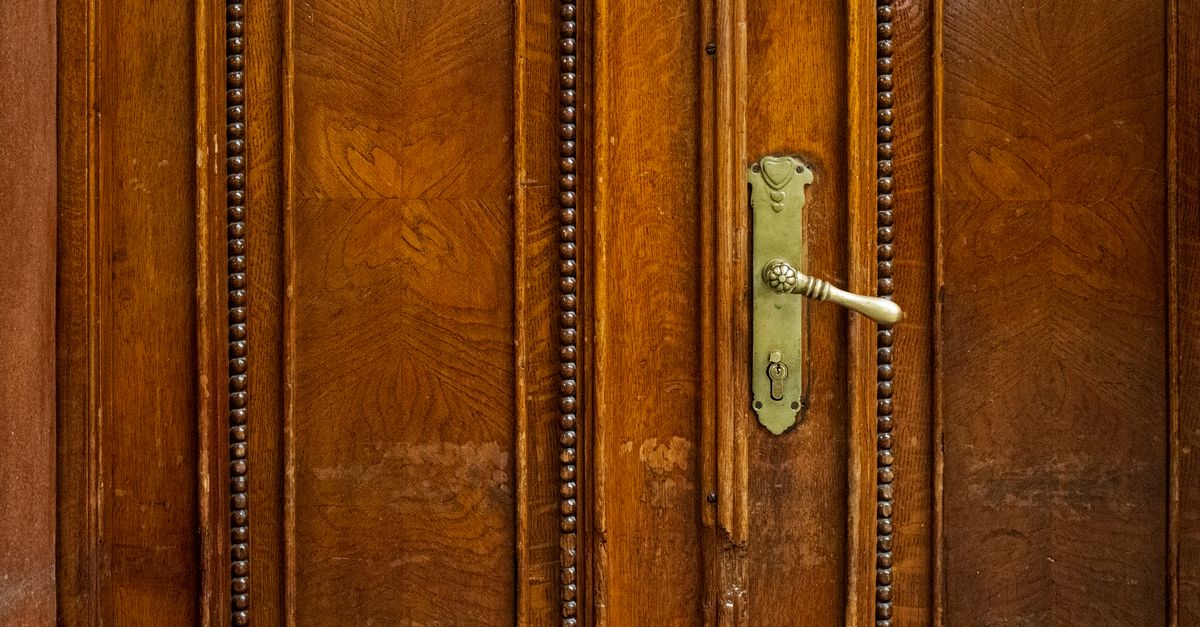
Here's where things get a little technical, but it matters. A mortise lock is a full-body lock mechanism that fits into a deep rectangular pocket — a mortise — carved into the edge of the door. Unlike a cylindrical deadbolt that sits in a drilled hole, a door locks mortise lock integrates the latch, deadbolt, and sometimes a secondary bolt into one heavy-duty unit. Prewar buildings in Prospect Heights were often built with mortise lock cutouts already in the door because that was the standard in the early 1900s. If your door still has that original pocket, your board may specifically require a mortise lock replacement rather than a surface-mounted retrofit, because filling the mortise and drilling for a cylindrical lock weakens the door edge structurally.
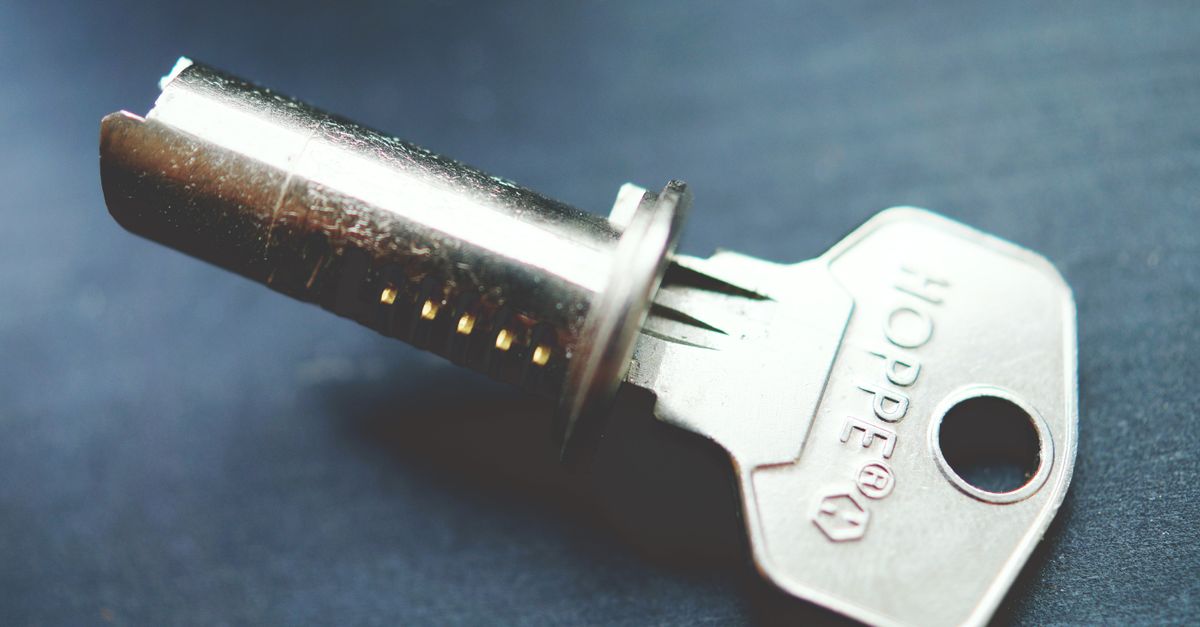
A commercial glass door locks mortise lock cylinder is a specific variant you'll encounter if your building has a lobby with glass-panel entry doors or interior office-style glass doors — less common in pure residential co-ops, but relevant if you live in a mixed-use brownstone or a building that converted commercial ground-floor space. In those cases, the cylinder must be keyed to match the building master or a sub-master system, which is not a job for a hardware store kit. Our team at Prospect Heights Locksmith Brooklyn works with mortise lock hardware regularly and can assess on-site whether your existing pocket can accept a modern, pick-resistant cylinder or whether the full mechanism needs replacing.
## Rekeying Rules vs. Full Lock Replacement: What Your Board Expects
Most co-op boards don't require you to install brand-new hardware every time a tenant turns over — they require the locks to be rekeyed, which means a locksmith reconfigures the internal pin stack of your existing cylinder so that old keys no longer work. This is faster, less invasive, and in most cases satisfies the building's security requirements. The practical difference: rekeying is appropriate when the lock mechanism itself is in good condition and the door lock hardware — the mortise lock body, the deadbolt housing, or the door knob lock assembly — shows no signs of wear, damage, or tampering. A full replacement is the right call when the mechanism is stripped, when the building is upgrading to a master-key or key-control system, or when you're moving into a unit where the lock history is unknown.
Before you book any work, pull out your co-op's house rules or ask your managing agent one specific question: 'Does the board require a particular brand or security grade for the deadbolt?' Some buildings specify ANSI Grade 1 hardware, which includes well-regarded brands like Schlage. Others are brand-agnostic but require a specific key profile to work with the building's master system. Knowing this before a locksmith arrives means the job gets done right on the first visit. If you're unsure what you have, call us at (718) 568-7195 — we can talk through the options before you commit to anything.
## When You Need a Commercial Door Locksmith, Not Just a Hardware Store
There's a category of lock work in Prospect Heights that consistently catches residents off guard: the jobs that look simple but aren't. Installing a mortise lock in a prewar door that hasn't been serviced since the 1980s. Rekeying a cylinder that's part of a building-wide master key system. Replacing a door knob lock on a fire-rated stairwell door where the hardware must meet local code. These are not tasks where a big-box store kit and a YouTube tutorial get you to a compliant result. They're jobs for a qualified commercial door locksmith — someone who understands key hierarchy systems, mortise lock geometry, fire door requirements, and how to work within the constraints of a managed building.
The same applies when your building manager calls a locksmith for a common area: lobby doors, mailroom entries, and basement mechanical rooms all typically use commercial-grade hardware that requires professional installation and keying. If you're on your co-op board or a building committee, understanding that distinction helps you evaluate proposals intelligently. And if you're a resident who's locked out of a unit with a mortise lock — which behaves very differently from a standard deadbolt during an emergency locksmith call — it's worth knowing that not every locksmith carries the tools or the experience to open one without damage. Our mobile team does, and we're available around the clock throughout Prospect Heights and the wider Brooklyn area.
## Practical Steps Before Your Next Move-In or Lock Change
Before you pick up a tool or call anyone, do three things. First, read your proprietary lease or rental agreement's lock clause in full — even if it's two dense paragraphs, it will tell you the hardware grade, the key-copy rule, and whether self-installation is permitted or if a licensed professional is required. Second, photograph your current door hardware: both sides of the door, the strike plate, and the edge of the door where the lock bolt enters the frame. That photo takes thirty seconds and gives any locksmith you call a head start on parts and approach. Third, check whether your building uses a restricted or patented key system — these keys cannot be duplicated at standard hardware counters, which is a feature, not a bug. If you try to copy one at a corner store, you'll get a key that looks right but won't turn.
Once you've done that groundwork, the actual service call is straightforward. A skilled locksmith will verify your identity and ownership interest, inspect the existing hardware, confirm what work is needed and what the exact cost will be before starting, and leave you with documentation you can provide to your managing agent. Our team at Prospect Heights Locksmith Brooklyn handles everything from a simple door knob lock rekey to a full mortise lock overhaul — and we carry commercial-grade stock on the truck so most jobs finish in a single visit. Call (718) 568-7195 any time — we answer 24/7, including weekends and holidays.
## Services We Provide to Brooklyn Residents and Buildings
Prospect Heights Locksmith Brooklyn offers a full range of residential and commercial locksmith services throughout the Brooklyn area, including: mortise lock installation and replacement, mortise lock cylinder rekeying, deadbolt installation (single and double cylinder), jimmy proof lock installation, door knob lock replacement and rekeying, high-security lock upgrades, master key system design and implementation, restricted key system enrollment, commercial door locksmith services for mixed-use and apartment buildings, commercial glass door locks and mortise lock cylinder replacement, emergency locksmith response for residential lockouts, emergency locksmith response for commercial lockouts, lock repair for damaged or stripped mechanisms, fire door hardware inspection and replacement, mailroom and common area lock rekeying, access control consultation for small buildings, padlock replacement for storage and basement entries, safe opening and combination changes, lock installation for sliding doors and French doors, window lock installation and repair, building re-keying after tenant turnover, door frame and strike plate reinforcement, peephole and door viewer installation, smart lock installation and programming, and key duplication for non-restricted keys.
Frequently asked questions
My co-op board says I need a 'UL-listed' deadbolt. What does that mean and what should I ask a locksmith for?+
UL listing means the lock has been independently tested to meet a defined security standard — typically resistance to forced entry, picking, and drilling for a set period of time. In practical terms, ask your locksmith for an ANSI Grade 1 deadbolt with a hardened steel bolt and a reinforced strike plate. Brands like Schlage make UL-listed models that fit most standard door preparations. If your door has a mortise lock pocket rather than a cylindrical bore, make sure to tell the locksmith upfront so they bring the right hardware — a standard cylindrical deadbolt will not drop into a mortise cutout.
Can I rekey my Brooklyn apartment lock myself, or does the co-op require a professional?+
Many co-op proprietary leases and rental agreements require that any lock work be performed by a qualified locksmith, and some specifically state that the building's managing agent must be notified and given a new key copy before or immediately after the work. DIY rekey kits exist for some cylindrical deadbolt brands, but they do not work on mortise locks, restricted key cylinders, or master-keyed systems — all of which are common in Prospect Heights prewar buildings. The safest approach is to check your lease language first, then call a professional who can document the work for your building's records.
What is a jimmy proof lock, and does my building actually need one?+
A jimmy proof lock is a surface-mounted rim deadbolt where the bolt interlocks with the strike plate rather than sliding into it. Because the bolt hooks into the strike, the lock resists the spreading and prying attacks that can defeat a standard deadbolt on a door with a soft or aged frame. They are common as secondary locks in New York City prewar apartments and are sometimes specified by co-op boards as a required second locking device on entry doors. Whether your specific building requires one depends on your house rules — but if your door frame shows any seasonal movement or has gap issues, a jimmy proof lock is a practical upgrade worth discussing with your locksmith even if it isn't strictly required.
How does pricing work for a mortise lock replacement, and will I get an exact number before work starts?+
The cost of a mortise lock replacement depends on several factors: the type and security grade of the replacement mechanism, whether the existing mortise pocket needs any adjustment, whether the cylinder must be keyed into a building master system, the time of day the work is done, and the travel distance for the locksmith. There is no single flat rate because no two doors — and no two building key systems — are identical. What we always do is assess the job and confirm an exact up-front price before any work begins, so you're never surprised by the final invoice. Call (718) 568-7195 to describe your situation and get a clear answer before committing.