
Whether you're a longtime Brooklyn resident or new to the Prospect Heights area, lock and key problems can strike at the most inconvenient times. From being locked out of your apartment at midnight to dealing with a broken key stuck in your car door, these frustrating situations are more common than you might think. Understanding the most frequent locksmith problems and their solutions can help you respond quickly and effectively when issues arise. While some minor problems can be handled with basic troubleshooting, knowing when to call a professional locksmith can save you time, money, and prevent further damage to your locks and security systems.
Locked Out of Your Home or Apartment
Getting locked out of your home is one of the most common and stressful locksmith emergencies. Whether you've misplaced your keys, left them inside, or had them stolen, being unable to access your own home creates immediate anxiety and inconvenience.
Common Causes:
- Keys left inside the property
- Lost or misplaced keys
- Keys stolen during a burglary or theft
- Lock malfunction preventing key entry
- Door accidentally locked from the inside
Before attempting any DIY methods, check all possible entry points including back doors, windows, and any doors you may have left unlocked. If you live in an apartment building, contact your building superintendent or property manager who may have a spare key.
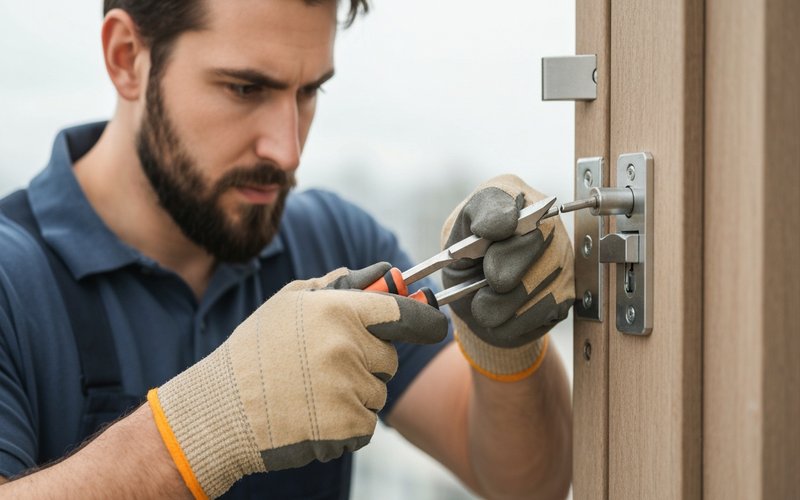
For those who need immediate access, professional locksmiths can provide non-destructive entry services that preserve your existing locks. This is particularly important for renters who are responsible for maintaining the property's original hardware.
Prevention Tips:
- Give a spare key to a trusted neighbor or family member
- Install a secure key lock box in a discreet location
- Consider upgrading to a smart lock with keypad or mobile access
- Keep your locksmith's contact information saved in your phone
- Develop a routine for checking your keys before leaving home
Broken Keys in Locks
A key breaking off inside a lock is a frustrating problem that typically occurs due to worn keys, forcing a sticky lock, or applying too much torque when turning. This issue can leave you locked out and unable to use your lock until the broken piece is removed.
Why Keys Break:
- Normal wear and tear weakening the key's metal
- Using excessive force on a sticky or frozen lock
- Manufacturing defects in the key
- Attempting to use a bent or damaged key
- Locks that need lubrication or maintenance
If a small portion of the key is still visible and protruding from the lock, you may be able to extract it yourself using needle-nose pliers. Grip the visible portion firmly and pull straight out, being careful not to push the fragment further into the lock.
For keys broken flush with the lock face, you can try using a thin piece of metal or a specialized key extraction tool. Apply a small amount of lubricant to help the fragment slide out more easily. However, avoid using super glue or other adhesives, as these can permanently damage your lock mechanism.
When to Call a Professional:
If the key is broken deep inside the lock, attempting extraction yourself may push it further in or damage the lock pins. Professional locksmiths have specialized extraction tools and techniques that can remove broken keys without damaging your lock, and they can provide replacement keys on the spot.
Sticky or Jammed Locks
Locks that are difficult to turn, stick frequently, or require jiggling to operate properly are more than just annoying—they're warning signs of bigger problems to come. Ignoring sticky locks often leads to broken keys or complete lock failure.
Common Causes of Sticky Locks:
- Dirt, dust, and debris accumulation inside the lock
- Lack of proper lubrication
- Misaligned door or door frame
- Worn internal lock components
- Moisture causing rust or corrosion
- Temperature changes affecting metal components
For minor stickiness, spray a graphite-based lubricant or dry lubricant specifically designed for locks into the keyway. Avoid using WD-40 or oil-based lubricants, as these can attract dirt and gum up the internal mechanisms over time.
If your door has settled or the frame has shifted, you may notice the deadbolt doesn't align properly with the strike plate. This misalignment can be corrected by adjusting the strike plate position or addressing the underlying door alignment issue.
Regular Lock Maintenance:
- Clean locks every six months with compressed air
- Apply graphite lubricant annually
- Check for loose screws and tighten hardware
- Inspect for signs of wear or damage
- Test all locks regularly to catch problems early
Worn or Damaged Locks
Over time, all locks experience wear and tear from daily use, weather exposure, and environmental factors. Recognizing the signs of a worn lock can help you address security vulnerabilities before they become serious problems.
Signs Your Lock Needs Replacement:
- Difficulty inserting or removing keys
- Lock cylinder turns too freely or feels loose
- Visible rust, corrosion, or physical damage
- Lock has been in place for over seven years
- Key works inconsistently or requires multiple attempts
- Recent break-in or attempted break-in
When replacing worn locks, consider upgrading to higher-security options. Grade 1 deadbolts offer superior protection compared to standard residential locks. Smart locks provide convenience and enhanced security features like access logs, temporary guest codes, and remote locking capabilities.
For Brooklyn homeowners in historic buildings or those with unique door configurations, professional locksmiths can recommend solutions that provide modern security while maintaining architectural integrity.
Car Lockout Situations
Being locked out of your vehicle is another common locksmith emergency, whether you've locked your keys in the car, lost them entirely, or are dealing with a malfunctioning key fob.
Modern Vehicle Challenges:
Today's vehicles come with sophisticated electronic security systems, transponder keys, and key fobs that make traditional lockout solutions obsolete. These advanced systems require specialized knowledge and equipment for proper handling.
Immediate Steps:
Before calling for help, check all doors and the trunk—sometimes one door remains unlocked. If you have a newer vehicle with a mobile app, check if you can unlock it remotely through the manufacturer's connected services.
Professional Automotive Locksmith Services:
Experienced automotive locksmiths can provide emergency vehicle entry, transponder key programming, key fob replacement, and ignition repair services. They arrive equipped with the tools and technology needed to handle modern vehicle security systems without causing damage.
Rekeying vs. Replacing Locks
Many people face confusion about whether to rekey existing locks or replace them entirely. Understanding the difference can help you make cost-effective security decisions.
When to Rekey:
- Moving into a new home or apartment
- After a roommate moves out
- Lost keys that may have identifying information
- When you want all locks to work with one key
- Locks are in good condition but you want new keys
- Locks are damaged or worn out
- Upgrading to higher security standards
- Locks don't meet current building codes
- After a break-in or forced entry
- Switching to smart lock technology
Rekeying is typically more affordable than full lock replacement, making it ideal for situations where the existing lock hardware is in good condition. However, if your locks are outdated or low-quality, investing in new high-security locks provides better long-term value and protection.
Frozen Locks in Winter
Brooklyn winters can be harsh, and frozen locks are a common seasonal problem that catches many residents off guard. Moisture inside the lock mechanism freezes, preventing key insertion or turning.
Safe Thawing Methods:
Never pour hot water on a frozen lock, as this can cause the metal to crack and will likely refreeze. Instead, warm your key with a lighter or match, then gently insert it into the lock. The heated key will gradually melt the ice inside.
Commercial de-icer sprays designed for locks are effective and safe. You can also use hand sanitizer, which contains alcohol that can melt ice without damaging the lock mechanism.
Prevention Strategies:
- Apply graphite lubricant before winter arrives
- Cover exterior locks with weatherproof covers
- Ensure door seals prevent moisture intrusion
- Keep de-icer spray in your bag during winter months
- Consider installing locks with weather-resistant features
Smart Lock Malfunctions
Smart locks offer incredible convenience and security features, but they can experience technical problems that traditional locks don't face.
Common Smart Lock Issues:
- Dead batteries preventing operation
- Wi-Fi connectivity problems
- App synchronization failures
- Keypad responsiveness issues
- Firmware requiring updates
Most smart locks include a manual override option using a physical key. Always keep this backup key accessible but secure. Regularly replace batteries according to the manufacturer's recommendations—many smart locks provide low-battery warnings through their apps.
For connectivity issues, check your Wi-Fi signal strength at the lock location and ensure your router firmware is updated. Rebooting both the lock and your router can resolve many temporary glitches.
Professional Installation Benefits:
While many smart locks are marketed as DIY-friendly, professional installation ensures proper alignment, secure mounting, and optimal functionality. Locksmiths familiar with smart lock technology can also provide valuable guidance on features, setup, and integration with existing security systems.
Master Key Systems
For property owners, landlords, or business operators managing multiple units or rooms, master key systems provide convenient access control while maintaining individual security.
How Master Key Systems Work:
A master key system allows one key (the master) to open multiple locks, while each lock also has its own unique key that only opens that specific lock. This hierarchical approach provides flexible access control.
Applications:
- Apartment buildings where landlords need access to all units
- Businesses with different security zones
- Properties with separate tenant and maintenance access needs
- Facilities requiring emergency access capabilities
Professional design and installation are crucial for master key systems. A qualified locksmith will assess your property's specific needs, design an appropriate key hierarchy, and install compatible locks throughout the property. Proper key control policies help maintain system integrity and prevent unauthorized key duplication.
Emergency Locksmith Services
True locksmith emergencies require immediate professional response, and understanding what constitutes an emergency can help you act appropriately.
Genuine Emergency Situations:
- Locked out with a child or pet inside
- Home security compromised after a break-in
- Vehicle lockout in an unsafe location
- Lock damage preventing door closure
- Lost keys after a robbery or theft
When facing a locksmith emergency, resist the urge to call the first number you find online. Scam locksmith operations often use deceptive advertising and low initial quotes, then dramatically increase prices upon arrival.
Legitimate local locksmiths provide upfront pricing, arrive in clearly marked vehicles, and carry proper licensing and insurance. At Prospect Heights Locksmith Brooklyn, we understand that emergencies are stressful enough without worrying about whether you're getting honest service.
Security Audits and Upgrades
Beyond addressing immediate problems, periodic security audits help identify vulnerabilities before they're exploited.
Comprehensive Security Assessment:
A professional locksmith can evaluate all entry points, assess lock quality and condition, identify security weaknesses, and recommend cost-effective improvements. This proactive approach to security is particularly valuable after moving to a new property or following security incidents in your neighborhood.
Layered Security Approach:
Effective home security involves multiple layers: strong locks, reinforced door frames, proper lighting, security cameras, and alarm systems. Professional locksmiths can coordinate lock upgrades with your overall security strategy, ensuring all components work together effectively.
Conclusion
Lock and key problems are inevitable parts of property ownership and vehicle operation, but understanding common issues and their solutions helps you respond effectively when they occur. While some minor problems can be addressed with basic maintenance and troubleshooting, many situations require professional expertise to resolve safely and permanently.
Recognizing when to attempt DIY solutions and when to call a professional locksmith protects your property, prevents additional damage, and ensures your security isn't compromised. Regular lock maintenance, prompt attention to warning signs, and periodic security assessments help prevent many common locksmith emergencies from occurring in the first place.
At Prospect Heights Locksmith Brooklyn, we're here to help with all your lock and key needs, from emergency lockouts to comprehensive security upgrades. Our experienced team serves the Brooklyn area from our location at 864 Atlantic Ave, Brooklyn, NY 11238, providing fast, reliable, and honest locksmith services whenever you need them. Don't wait until a minor lock problem becomes a major security issue or emergency—contact us today for expert assistance you can trust.