
Your locks and security systems work hard every single day to protect your Brooklyn home or business, yet they're often the most overlooked aspect of property maintenance. Just like you wouldn't skip seasonal HVAC servicing or gutter cleaning, your locks deserve regular attention to ensure they function properly when you need them most. Whether you're dealing with freezing winter temperatures, humid summer conditions, or the transitional challenges of spring and fall, each season presents unique challenges for your door hardware and security systems. At Prospect Heights Locksmith Brooklyn, we've seen firsthand how preventative seasonal maintenance can save property owners from costly emergency lockout situations and security vulnerabilities.
Why Seasonal Lock Maintenance Matters
Most people never think about their locks until something goes wrong—a key breaks off in a frozen cylinder, a door won't latch properly during a summer humidity spike, or accumulated debris causes a mechanism to fail. Regular seasonal maintenance helps you avoid these frustrating and potentially dangerous situations. Brooklyn's distinct seasons each bring specific environmental factors that affect lock performance, from salt and moisture in winter to expansion and contraction during temperature fluctuations.
Neglected locks don't just create inconvenience; they create security vulnerabilities. A sticky lock might tempt you to leave doors unlocked, worn tumblers make picking easier for potential intruders, and corroded mechanisms can fail completely at the worst possible moment. By implementing a seasonal maintenance routine, you'll extend the lifespan of your hardware, maintain optimal security, and avoid emergency service calls that always seem to happen at the most inconvenient times.
Spring Locksmith Maintenance Checklist
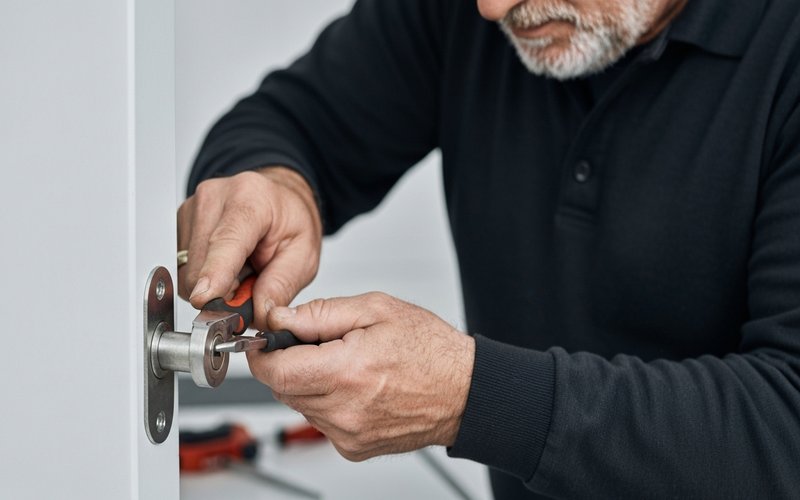
Spring is the perfect time to assess winter damage and prepare your locks for the warmer months ahead. After months of harsh conditions, your locks need attention to function smoothly through the rest of the year.
Inspect for Winter Damage
Winter weather can be brutal on door hardware. Start your spring maintenance by carefully examining all exterior locks for signs of corrosion, rust, or moisture damage. Pay special attention to:
- Discoloration or oxidation on metal surfaces
- Moisture or water stains inside lock cylinders
- Loose mounting screws or hardware
- Warped or damaged strike plates
- Weather stripping deterioration around door frames
Deep Clean All Lock Mechanisms
Spring cleaning shouldn't stop at your interior spaces. Remove accumulated dirt, pollen, and debris from all lock cylinders using compressed air or a specialized lock cleaning spray. Avoid using water-based cleaners, which can introduce moisture and cause future problems. For exterior locks, check that drainage holes (if present) are clear and functioning properly.
Lubricate Moving Parts
Proper lubrication is essential for smooth lock operation. Use a dry graphite lubricant or a specialized lock lubricant—never oil-based products like WD-40, which attract dust and can gum up mechanisms over time. Apply lubricant to:
- Key cylinders
- Deadbolt mechanisms
- Door hinges
- Strike plates and latches
- Any sliding bolt or chain mechanisms
Summer Lock Care Strategies
Brooklyn summers bring heat, humidity, and increased property activity—all factors that impact your locks and security hardware.
Address Humidity-Related Issues
High humidity causes wood doors to swell, which can misalign locks and make them difficult to operate. If you notice your keys becoming harder to turn or doors sticking in their frames during humid weather:
- Check door alignment and adjust strike plates if necessary
- Ensure proper gap spacing around all door edges
- Consider upgrading to humidity-resistant hardware for problem areas
- Verify that weather stripping isn't preventing proper door closure
Vacation Security Preparations
Before leaving for summer vacation, conduct a thorough security check of all locks and entry points. Test every lock to ensure smooth operation—the last thing you want is to return home to a jammed lock with vacation bags in hand. Consider having a professional locksmith inspect high-security areas and verify that all mechanisms are functioning optimally.
Increase Security for Open-Window Season
When windows are open for fresh air, ground-floor and accessible windows become potential entry points. Inspect and maintain all window locks, ensuring they engage properly. Replace any damaged or worn window hardware, and consider adding secondary security devices like window pins or bars for vulnerable access points.
Fall Preparation and Winterization
Fall is your opportunity to prepare locks for the challenging winter months ahead. Preventative maintenance now prevents frozen locks and emergency situations later.
Protect Against Moisture Intrusion
Before freezing temperatures arrive, weatherproof your exterior locks:
- Install or replace lock covers on exposed exterior cylinders
- Apply weather-resistant lubricant to all outdoor locks
- Seal any gaps around lock installations with appropriate caulking
- Ensure door overhangs or awnings provide adequate protection from rain
- Check that drain holes in storm doors aren't blocked
Test Locks Before Cold Weather Arrives
Don't wait for the first freeze to discover a problem. Test every exterior lock thoroughly, paying attention to any resistance or difficulty in operation. Keys should turn smoothly, deadbolts should extend and retract easily, and doors should close securely without forcing. Address any issues now while conditions are favorable for repairs.
Create Spare Key Backups
Fall is an excellent time to have spare keys made and properly stored. Emergency lockouts increase during winter months when people are bundled up and less aware of their keys. Store spare keys with trusted neighbors or in secure, weatherproof locations—never under doormats or in obvious hiding spots that provide no real security.
Winter Lock Protection Tips
Winter presents the most challenging conditions for lock hardware, particularly in Brooklyn where temperatures can fluctuate dramatically and create freeze-thaw cycles.
Prevent Frozen Locks
Frozen locks are among the most common winter locksmith calls. Prevent this frustrating problem by:
- Applying graphite lubricant before freezing weather begins
- Using lock covers on all exposed exterior cylinders
- Keeping locks free of moisture and condensation
- Never using water to clean locks during cold months
- Ensuring weather stripping prevents moisture intrusion
Manage Salt and Corrosion Issues
Road salt and de-icing chemicals are necessary evils of Brooklyn winters, but they're extremely corrosive to metal lock components. If your locks are exposed to salt spray from sidewalks or streets:
- Rinse locks with clean water during warmer winter days
- Apply additional protective lubricant more frequently
- Consider upgrading to corrosion-resistant hardware in high-exposure areas
- Wipe down all hardware regularly to remove salt residue
Maintain Smart Locks and Electronic Systems
Electronic locks and smart security systems face unique winter challenges. Cold temperatures can affect battery performance, and moisture can damage electronic components. Check battery levels before winter arrives, protect electronic components from moisture, and keep backup mechanical keys accessible in case electronic systems fail during extreme weather.
Year-Round Lock Maintenance Best Practices
Beyond seasonal considerations, certain maintenance practices should be part of your regular routine regardless of the time of year.
Monthly Quick Checks
Once monthly, perform a quick inspection of all locks:
- Test each lock for smooth operation
- Check for loose screws or hardware
- Verify that keys turn without excessive force
- Ensure deadbolts extend fully and retract completely
- Listen for unusual sounds that might indicate internal wear
Proper Key Care
Your keys are just as important as the locks themselves. Avoid carrying excessive keys on heavy keyrings, which can wear out tumblers and ignition cylinders. Replace worn or damaged keys before they break inside locks, and never use bent keys, which can damage lock mechanisms.
Know When to Call a Professional
While many maintenance tasks are DIY-friendly, some situations require professional expertise. Contact a qualified locksmith if you experience:
- Keys that stick or require excessive force to turn
- Locks that don't engage or disengage smoothly
- Visible damage or corrosion that cleaning doesn't resolve
- Security concerns about lock integrity
- Doors that don't align properly with strikes
- Any lock that has been tampered with or damaged
Frequently Asked Questions
How often should I lubricate my locks? Exterior locks should be lubricated at least twice yearly—once in spring and again before winter. Interior locks can be serviced annually unless you notice any stiffness or difficulty in operation.
What type of lubricant should I use on locks? Always use dry graphite powder or specialized lock lubricants. Never use oil-based products like WD-40, which attract dust and debris that can eventually jam lock mechanisms.
Can I prevent all frozen lock situations? While proper maintenance significantly reduces the risk, extreme weather can occasionally freeze even well-maintained locks. Preventative measures and having a lock de-icer product on hand will help you handle most situations.
Should I replace old locks or just maintain them? If locks are functioning properly, regular maintenance can extend their lifespan considerably. However, locks more than 10-15 years old may lack modern security features and efficiency. A professional assessment can help determine whether maintenance or replacement is the better investment.
Trusted Local Locksmith Services in Brooklyn, NY
At Prospect Heights Locksmith Brooklyn, we understand the unique challenges that Brooklyn property owners face throughout the year. Our team has been serving the community at 864 Atlantic Ave, Brooklyn, NY 11238, providing comprehensive locksmith services for residential and commercial properties.
Whether you need seasonal maintenance, emergency lockout assistance, security upgrades, or complete lock replacement, our experienced technicians are ready to help. We're familiar with all types of lock systems, from traditional deadbolts to the latest smart lock technology, and we can recommend the best maintenance schedule for your specific needs.
Don't wait for a lock failure to think about your security hardware. Regular seasonal maintenance is far more cost-effective than emergency repairs and provides peace of mind knowing your property is properly protected. Contact Prospect Heights Locksmith Brooklyn today to schedule a comprehensive lock inspection and maintenance service. Our friendly team is available to answer your questions and ensure your locks are ready for whatever the season brings. Protect your property year-round with professional locksmith services you can trust.