Prospect Heights Locksmith Brooklyn Service Team
Local locksmith team
Oct 26, 2026 10 min read
A break-in is one of the most unsettling things that can happen to a Brooklyn homeowner or renter — and in neighborhoods like Prospect Heights, where brownstones line streets off Vanderbilt Avenue and Park Slope borders blur into Crown Heights, older doors and aging hardware are often the first things a burglar tests. Once the shock passes, you need a clear plan: secure the entry point, understand what was damaged, and make sure it doesn't happen again. This guide walks you through exactly that.
Whether your front door was kicked in, a door knob lock was forced, or a mortise lock was compromised, knowing the right sequence of steps can protect your family tonight and prevent a repeat incident. We cover what to document, what to replace, and how to harden your entry points — with input from the kind of experienced locksmith work we do every day across Brooklyn.
## Step One: Safety First, Then Secure the Opening
Before you touch anything, confirm the intruder is gone — call 911 if you have any doubt. Once police have cleared the scene and filed a report (get the report number; your landlord and insurance company will need it), your next priority is making the opening physically secure. A kicked-in door with a splintered frame cannot be locked, no matter how good the hardware was. If the door is hanging open, a temporary board-up or a heavy piece of furniture is a stopgap — not a fix. For an apartment building, notify your super immediately so other residents are not at risk through a common entry. Your real goal in the first hour is to get a trained emergency locksmith on site who can assess structural damage and get a working lock back on the door the same night.
Do not assume that because the lock cylinder looks intact, the lock itself is fine. Burglars who know how to force a door knob lock or compromise a mortise lock often leave hardware that appears undamaged while the internal mechanism is bent, the strike plate has pulled free of the frame, or the door jamb itself has split. A visual inspection by a professional will catch what a quick look from the hallway will not.
## Understanding What Was Damaged: Door Knob Locks vs. Mortise Locks
Most Brooklyn brownstones and pre-war apartment buildings use one of two main lock types, and the damage pattern is different for each. A standard door knob lock — the round, keyed knob you find on interior and some exterior doors — is the easiest target. The latch mechanism is relatively shallow, and forcing the door transfers enormous stress directly to the knob's internal cam. After a forced entry involving a door knob lock, the spindle or cam is frequently sheared, and the strike plate screws are stripped from the jamb. Replacement is usually the right call rather than repair.
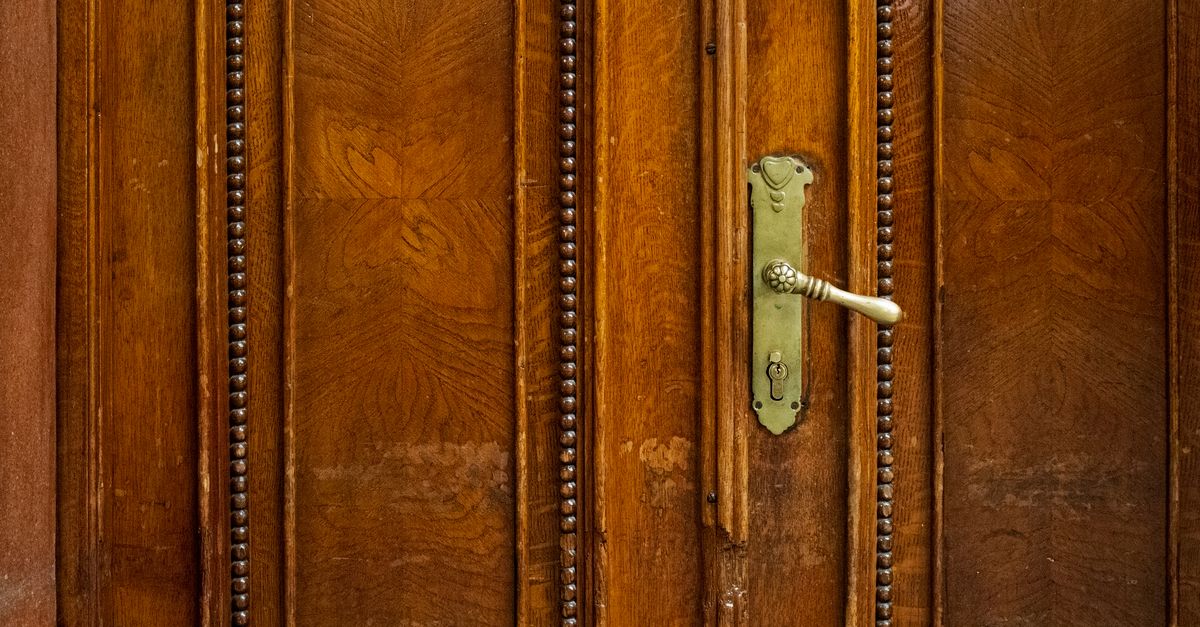
A mortise lock is a different animal entirely. Found in older New York brownstones and many commercial buildings, a mortise lock is a full cassette of hardware — latch, deadbolt, and sometimes a chain or privacy function — that fits into a mortise pocket cut into the door's edge. Brands like Baldwin produce interior mortise lock sets still prized for their weight and security. Because a mortise lock sits deep in the door, it is harder to force without destroying the door entirely, which is why a professional locksmith who specializes in mortise lock service is essential: sourcing the right replacement cassette, maintaining the correct measurements, and re-aligning the strike plate all require hands-on experience with this specific hardware type.
## Rekeying vs. Full Replacement: What Brooklyn Residents Should Know
After a break-in, many people assume they need a whole new lock — and sometimes they do. But the decision is more nuanced than it looks. Rekeying changes the internal pin configuration of an existing cylinder so that your old keys no longer work and new ones are cut. It is a smart choice when the lock body and door frame are structurally sound, and it is particularly useful if you suspect the intruder had a copy of a key rather than forcing the door. For a standard pin-tumbler deadbolt in good condition, rekeying is fast and leaves you with fresh keys the same visit.
Full lock replacement makes sense when the mechanism itself was damaged during the break-in, when you are upgrading from a door knob lock to a more robust deadbolt or mortise lock system, or when the existing hardware is simply outdated. For Prospect Heights brownstones with original pre-war mortise locks, a like-for-like mortise lock replacement preserves the door's integrity — you cannot simply swap in a modern cylindrical lock without significant door modification. Our team carries a range of mortise lock components and can source hardware that fits both the security requirements and the aesthetic of older Brooklyn doors. If you are not sure which path is right for your situation, call (718) 568-7195 and we will walk you through the options before any work begins.
## Hardening Your Entry Points After a Forced Entry
Replacing the lock is only part of the solution. The most common reason doors fail is not the lock itself — it is the frame around it. Standard strike plates come with short screws that bite only into the door casing, not the structural stud behind it. Upgrading to a heavy-gauge strike plate with 3-inch screws that reach the stud can be the difference between a door that holds and one that opens in a single kick. Door reinforcement kits that wrap the jamb and hinge side add another layer. If your door has glass panels near the knob or mortise lock, consider a double-cylinder deadbolt that requires a key from both sides — though always maintain a key nearby in case of fire.
Other meaningful upgrades our team installs regularly: high-security deadbolts with anti-pick, anti-drill pins; chain guards and door limiters that allow partial opening for verification; wide-angle door viewers; and reinforced sliding door bars for rear or garden-level entries common in Prospect Heights garden apartments. For buildings with multiple units, a commercial locksmith assessment of the common entry system — intercom, vestibule lock, and mailroom hardware — can close gaps that individual unit locks cannot address on their own. These are the details that make a real difference in neighborhoods where street-level access is easy and buildings share walls.
## What a Professional Emergency Locksmith Visit Actually Looks Like
When you call us after a break-in, here is what happens: a skilled locksmith arrives at your Brooklyn address — whether that is a brownstone off Underhill Avenue, an apartment building near the Atlantic Avenue corridor, or a ground-floor unit in Crown Heights — typically within a short drive. We assess the door, frame, and lock together, not just the cylinder in isolation. We explain what is damaged, what can be saved, and what needs to go. Before we start any work, we confirm an exact up-front price so there are no surprises at the end of the job. Factors that shape the quote include the type of lock involved (a mortise lock replacement involves more labor and parts than a simple deadbolt swap), the time of day, and whether specialty hardware needs to be sourced.
We handle the full scope in one visit when possible: frame repair or reinforcement, new lock installation, key cutting, and a final test of every point of entry we touched. We are insured, and our team has handled the full range of Brooklyn door hardware — from antique mortise cassettes to modern high-security cylinders. For businesses on Flatbush Avenue or Vanderbilt, our commercial locksmith services extend to master key systems, access control, and after-hours emergency response. If you need us tonight, call (718) 568-7195 — we answer around the clock, every day of the year.
## Our Full Range of Locksmith Services for Brooklyn Homes and Businesses
Here is a detailed look at the specific services we provide to Brooklyn residents, landlords, and business owners: residential lockout assistance, emergency lock repair after forced entry, mortise lock replacement and restoration, door knob lock replacement, deadbolt installation and upgrade, rekeying of pin-tumbler and mortise cylinders, high-security lock installation (anti-pick, anti-drill, anti-bump), strike plate reinforcement with structural screws, door frame and jamb repair assessment, key duplication and key cutting on-site, master key system design and installation, commercial locksmith services for retail and office spaces, access control system installation and repair, intercom and buzzer system coordination, mailroom lock service for multi-unit buildings, sliding door lock installation and repair, gate lock and padlock service, garage door lock replacement, safe opening and combination changes, car lockout service, automotive key cutting and programming, transponder and smart key replacement, ignition lock cylinder repair, lock-out service for storage units, and security consultation and vulnerability walk-through for residential and commercial properties.
Frequently asked questions
My front door was kicked in and the frame is cracked — can the lock just be rekeyed, or does everything need to be replaced?+
If the frame itself is cracked or the jamb has split, rekeying the cylinder alone will not make the door secure — a new cylinder in a broken frame offers almost no resistance. The frame damage needs to be addressed first, typically through jamb reinforcement or replacement of the damaged section, followed by installation of a new strike plate with structural screws. Once the frame is sound, we can then decide whether the existing lock mechanism is worth saving or whether a full replacement — particularly an upgrade to a proper mortise lock if the door supports it — is the better long-term choice. We assess all of this on-site and give you a clear recommendation before any work starts.
I have an older Brooklyn brownstone with a mortise lock — is it worth restoring, or should I replace it?+
Original mortise locks in pre-war brownstones are often worth restoring or upgrading rather than replacing outright, because the door itself was built around that deep mortise pocket. Swapping in a modern cylindrical lock would require filling the pocket and possibly modifying the door edge, which weakens the door structurally and affects its appearance. A skilled locksmith can often re-cylinder the existing mortise cassette with a new, higher-security cylinder, replace worn internal components, and install a reinforced strike plate — giving you the security of modern hardware inside the original footprint. If the cassette itself is damaged beyond repair, like-for-like mortise lock replacements are available and our team sources appropriate components for period Brooklyn doors.
How do I know whether the person doing my lock repair is genuinely qualified?+
Ask the locksmith to identify themselves on arrival, confirm the company name matches who you called, and ask to see proof of insurance before work begins. A trained, experienced locksmith will assess damage methodically, explain findings clearly, and provide an exact price before starting — not after. Be cautious of anyone who gives a quote over the phone without knowing your specific lock type, door condition, or location, then significantly changes the number after arrival. Our team confirms all pricing up front, and we carry insurance so you have recourse if anything goes wrong during the repair.
What factors affect the cost of lock repair or replacement after a break-in?+
Several things shape the final quote: the type of lock involved (a mortise lock replacement involves sourcing a specific cassette and more labor than a standard deadbolt), whether the door frame also needs reinforcement, the time of day (after-hours and weekend calls involve different logistics), and travel distance to your Brooklyn address. We never begin work until we have assessed the situation in person and confirmed an exact price with you — so you know the full number before we pick up a single tool.